
📅 Through July 12, 2026
🕓 10 a.m.-5 p.m. daily; open until 8 p.m. on First Thursdays
📍 Museum of History & Industry: 860 Terry Ave. N, Seattle
💰 Adults $25; seniors (65+) $20; military $20; students $19; youth 14 & under free
🚪Exhibit access included with general admission; free on First Thursdays
Some exhibitions tell a story through grand artifacts; “TADAIMA: I’m Home” does it with dolls.
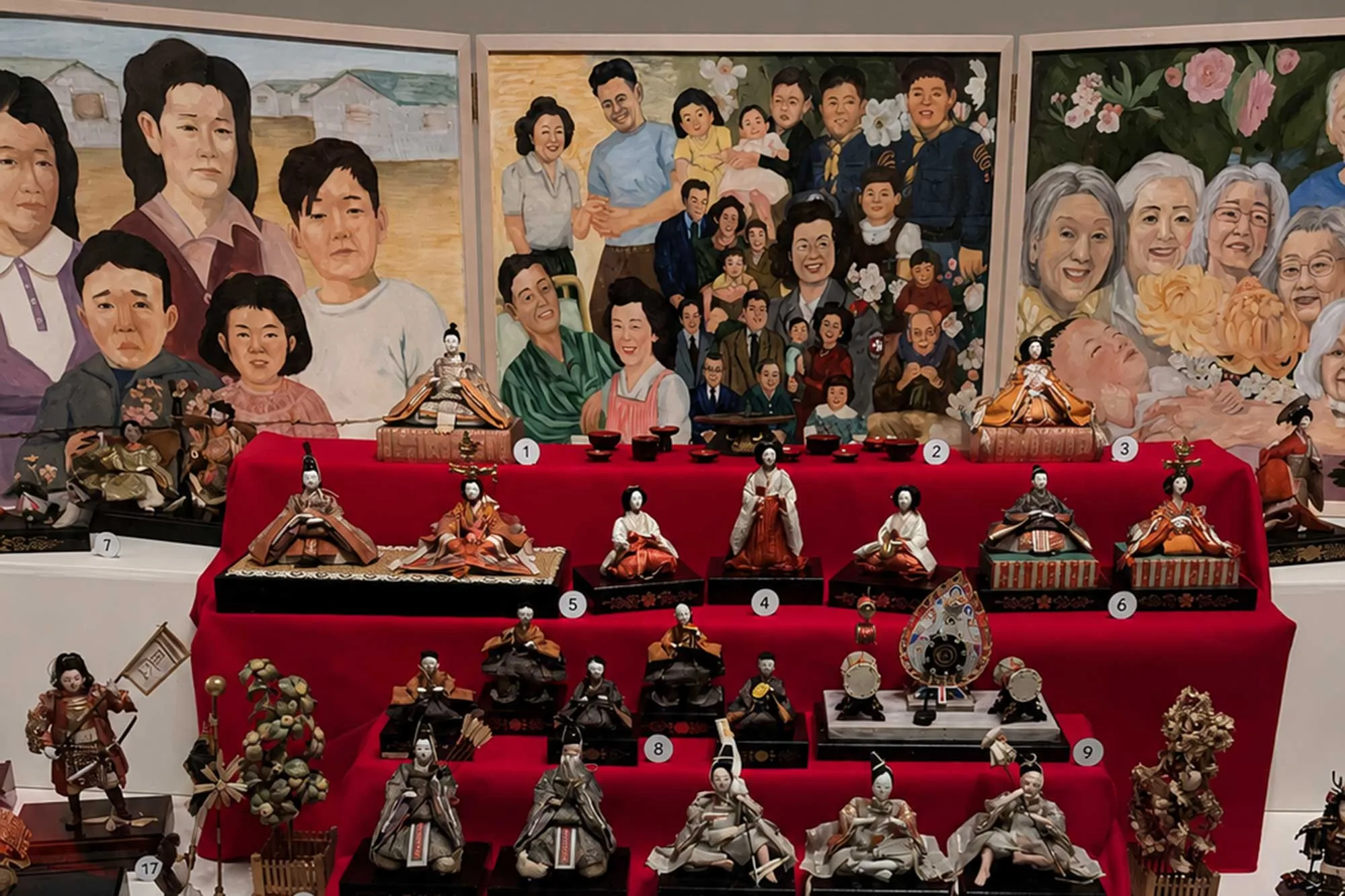
This small but affecting installation at MOHAI centers on a collection of traditional Japanese Boys’ and Girls’ Day dolls that Seattle families entrusted to Bailey Gatzert Elementary School during World War II. When the federal government ordered the forced removal and incarceration of Japanese Americans on the West Coast in 1942, families were only allowed to bring what they could carry. Many left treasured possessions behind. Items with a visibly Japanese identity, like these dolls, were especially likely to be forsaken.
Some entrusted their dolls to principal Ada Mahon, a respected ally for the school’s Japanese American community. (After the attack on Pearl Harbor, she reportedly told her students: “You were American citizens last Friday; you are American citizens today. You were friends last Friday; you are friends today.”) While a handful of dolls were eventually reclaimed, dozens remained behind and ultimately found their way to MOHAI’s collection.
In this exhibit, artist Miya Sukune uses the dolls as the starting point for an exploration of memory, loss and resilience. Twenty-one of the surviving dolls, tiny but exquisite, are displayed alongside a folding-screen painting based on historic photos of those incarcerated and their descendants. Video stations feature recollections from community elders, adding voices and lived experience to the objects on display.
One especially memorable section features larger dolls created at the Minidoka incarceration camp in Idaho, where many Seattle families were sent. Shizuko Hara, whose family ran the Tacoma Hotel on Jackson Street, fashioned them from coat hangers, upholstery fabric and toilet paper. The works embody the Japanese concept of gaman — enduring hardship with dignity and patience.
While that endurance is admirable, the exhibition also offers a reminder of a particular stark chapter in American history. It’s not surprising that many who survived and endured the camps are now activists fighting the current wave of anti-immigrant sentiment. These mementos from their childhood selves show that sometimes the most powerful museum objects aren’t necessarily the rarest or most valuable, but the ones that carry the weight of history.